
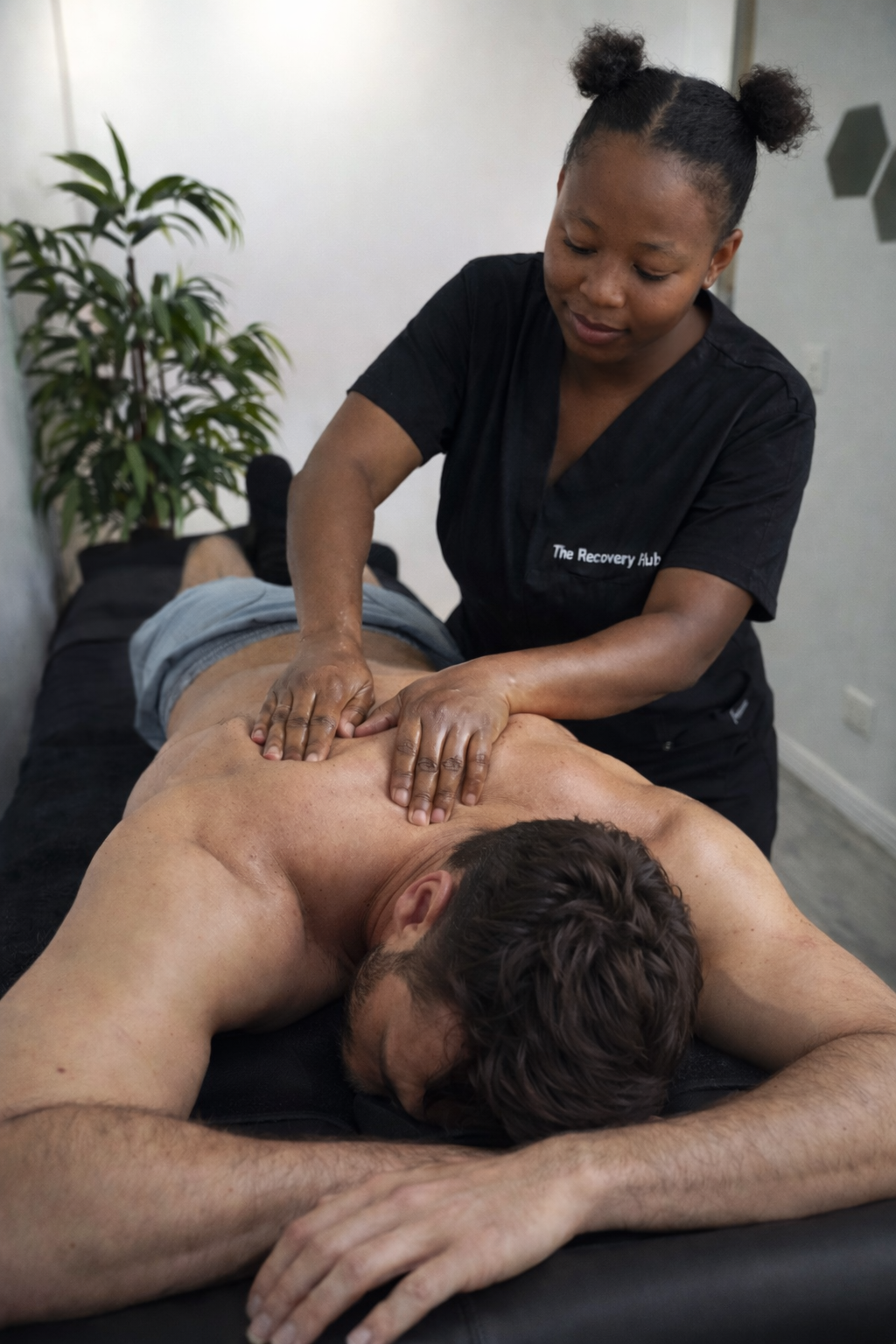
Sports Massage: When It May Help and What to Expect
Sports massage isn't only for athletes. Here's when it may help and what a session at our Durbanville clinic involves.
Sports massage uses hands-on techniques to work on muscles and soft tissue. It is popular with athletes, but many of our Durbanville clients are office workers, parents and weekend exercisers who simply feel tight or sore.
When sports massage may help
People often book sports massage when muscles feel tight after training, a long day at a desk, or a physically demanding week. It may help you feel looser and more relaxed in the short term.
Sports massage is not a treatment for a diagnosed injury on its own. If you have sharp pain, swelling, numbness, or a condition that needs diagnosis, ask about a physiotherapy referral or see a doctor first.
What a session involves
Your therapist will ask about your activity, any areas of tension and what you want from the session. The massage uses pressure and movement tailored to the areas you want addressed.
Sessions are available in 30, 60 and 90 minutes. You can choose a focused neck and shoulder massage or a longer full-body session.
Choosing between massage types
Sports and deep tissue massage use firmer pressure for persistent tension. Swedish massage uses longer, gentler strokes when you want to slow down. Hot stone massage adds warmth, and a foot massage targets tired feet after a long day.
Not sure which suits you? Describe how you feel when booking and our team will recommend an option.
This article is general information and not a substitute for personalised medical advice. If you have a health concern, please book a doctor consultation or speak to a qualified healthcare professional.
Frequently asked questions
Is sports massage only for athletes?
No. Many clients are not athletes — they simply feel tight from work, training or daily life. Sports massage suits anyone who wants firmer, focused hands-on work.
Will it hurt?
Firmer techniques can feel intense but should not be painful. Tell your therapist if the pressure is too much — they will adjust.
How often should I book?
It depends on your activity and goals. Some clients come weekly during heavy training; others book monthly to manage ongoing tension. Our memberships include regular massage sessions.
Can massage fix my injury?
Massage may ease muscle tightness, but it is not a substitute for diagnosis or physiotherapy. For persistent or sharp pain, ask about a physiotherapy referral.
Related
Book your recovery
Ready to take the next step? Secure a time online with our booking calendars.
More from Recovery Insights

What to Expect from IV Therapy in Durbanville
How an IV therapy session works at our Durbanville clinic, from the suitability check to the drip itself.

Ice Baths and Cold Exposure: Benefits, Risks and Recovery
Cold exposure is popular, but the evidence is mixed. Here's a balanced look at ice baths and how to try one safely.
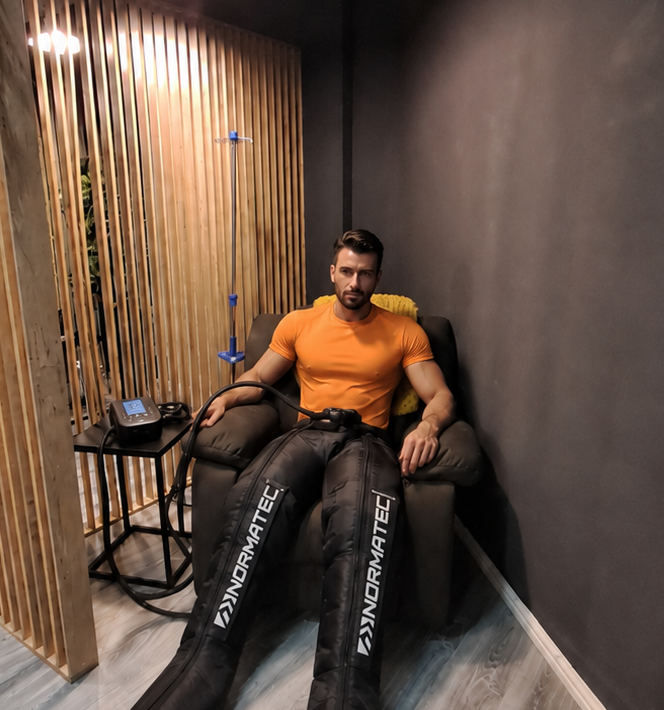
Compression Boots: How They Work and What the Evidence Says
Dynamic compression boots are a relaxing way to rest tired legs. Here's how they work and what the evidence actually shows.